Online Violence
Working to end online violence and abuse
With the continuous and rapid advancement of technology, we have seen the sudden shift of our daily social, professional, and economic routines to online spaces.
While this has been a positive advancement for many, we have also witnessed a sharp rise in the rate of online violence across the world, including in Iraq and the Kurdistan Region. Low digital literacy and a culture of shame and societal stigma, has led to violent consequences, especially for women and children, with the likelihood of online violence shifting to offline spaces continuously increasing.
Online Violence (OV) – including violence facilitated by the use of technology – is when someone uses the internet or technology – like phones, social media, or games – to harm, threaten, or abuse others.
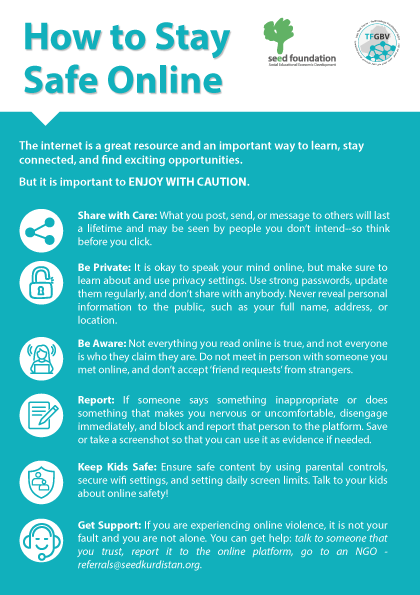
Stay Safe Online!
of women and girls experienced TFGBV in the past 12 months
UN Women, 2021
What SEED is doing to reduce and respond to TFGBV
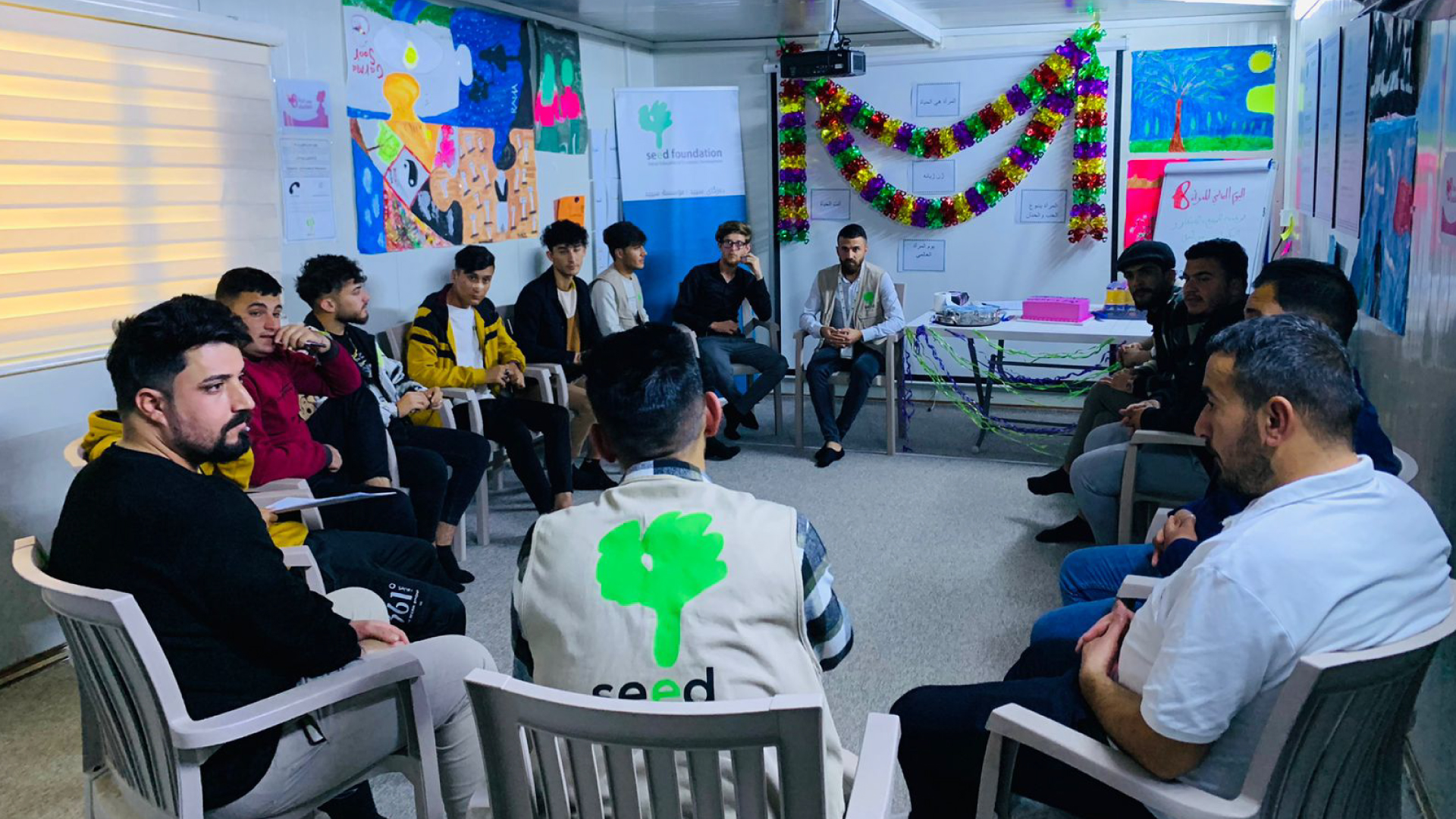
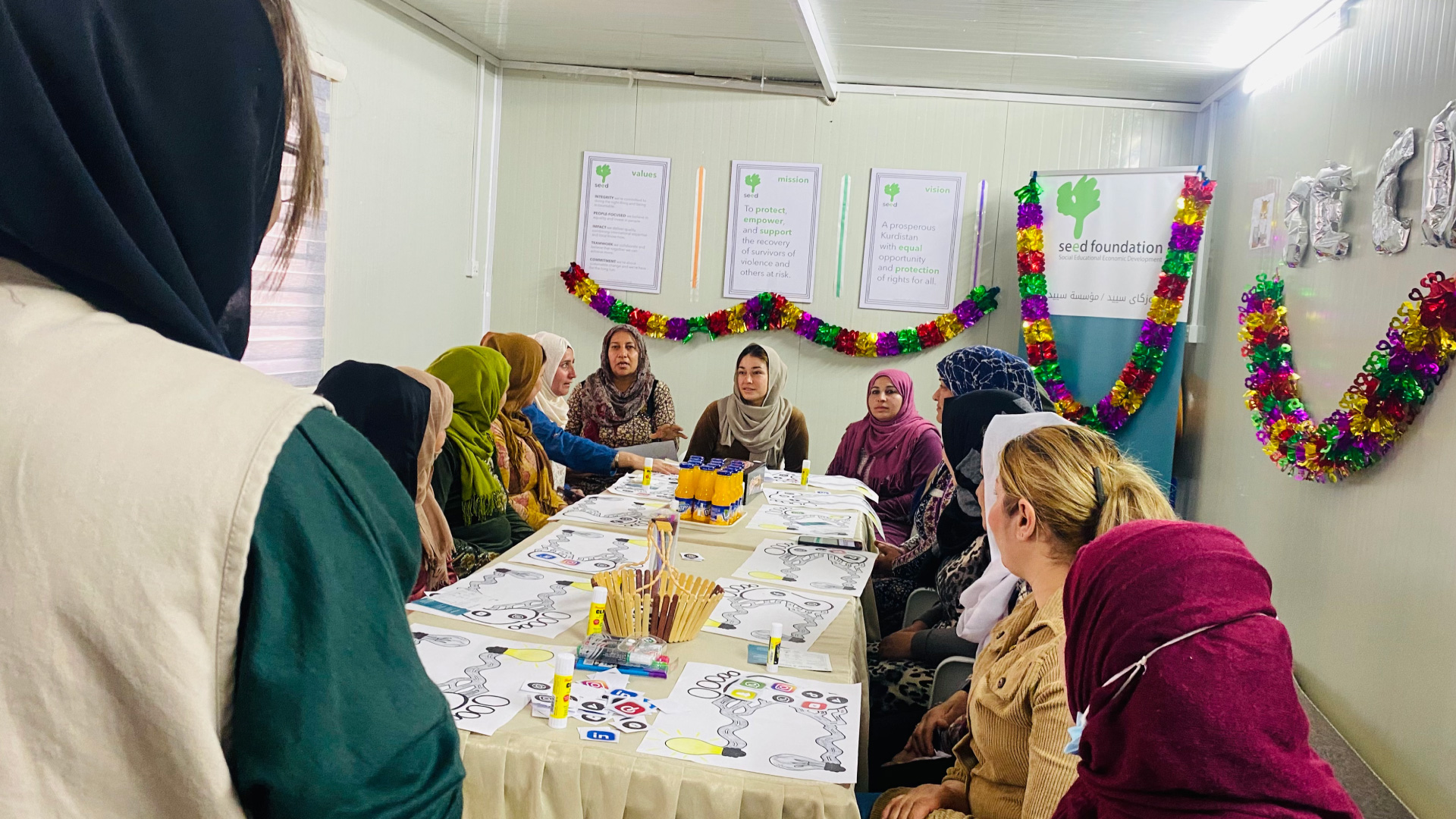
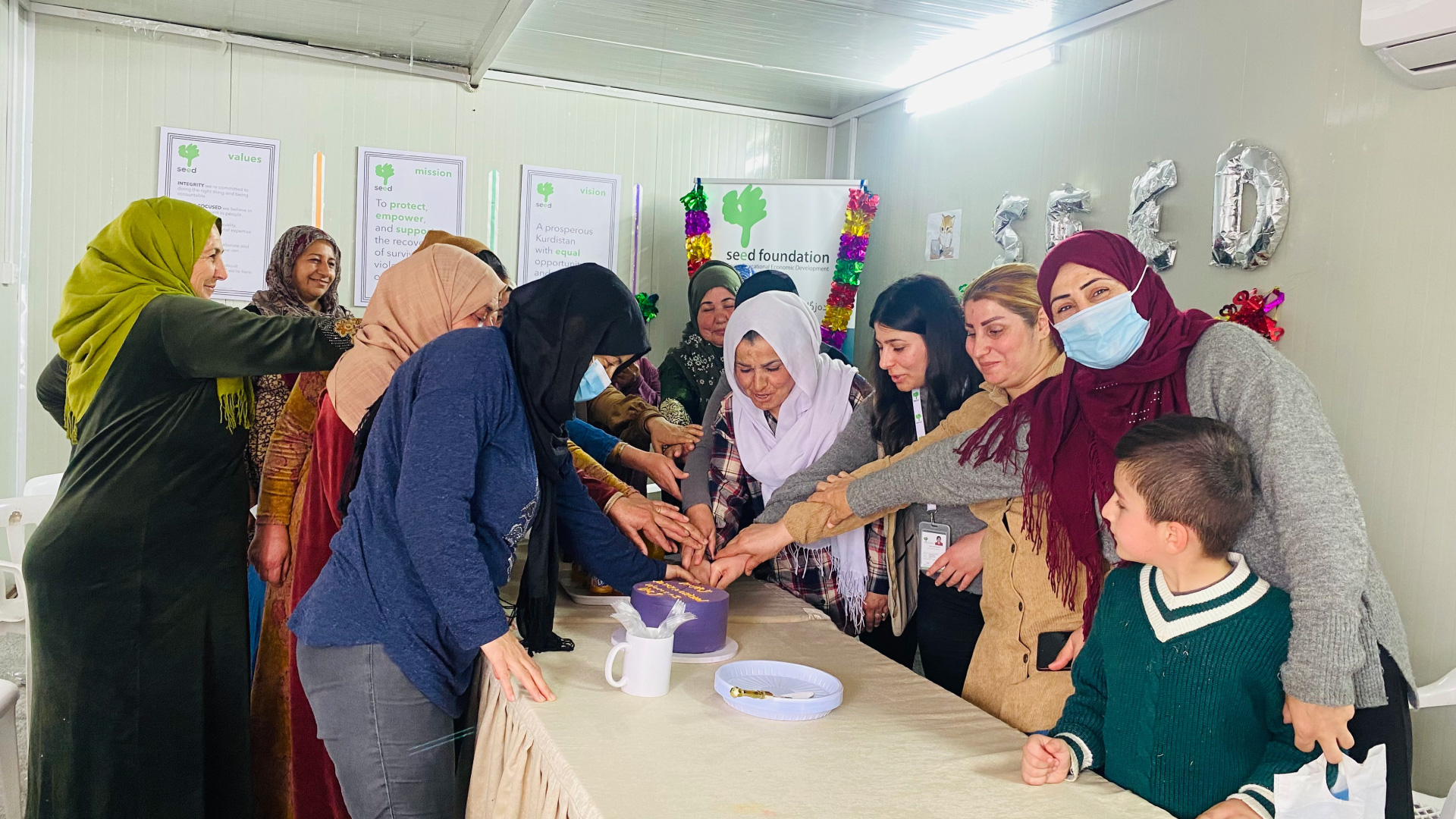
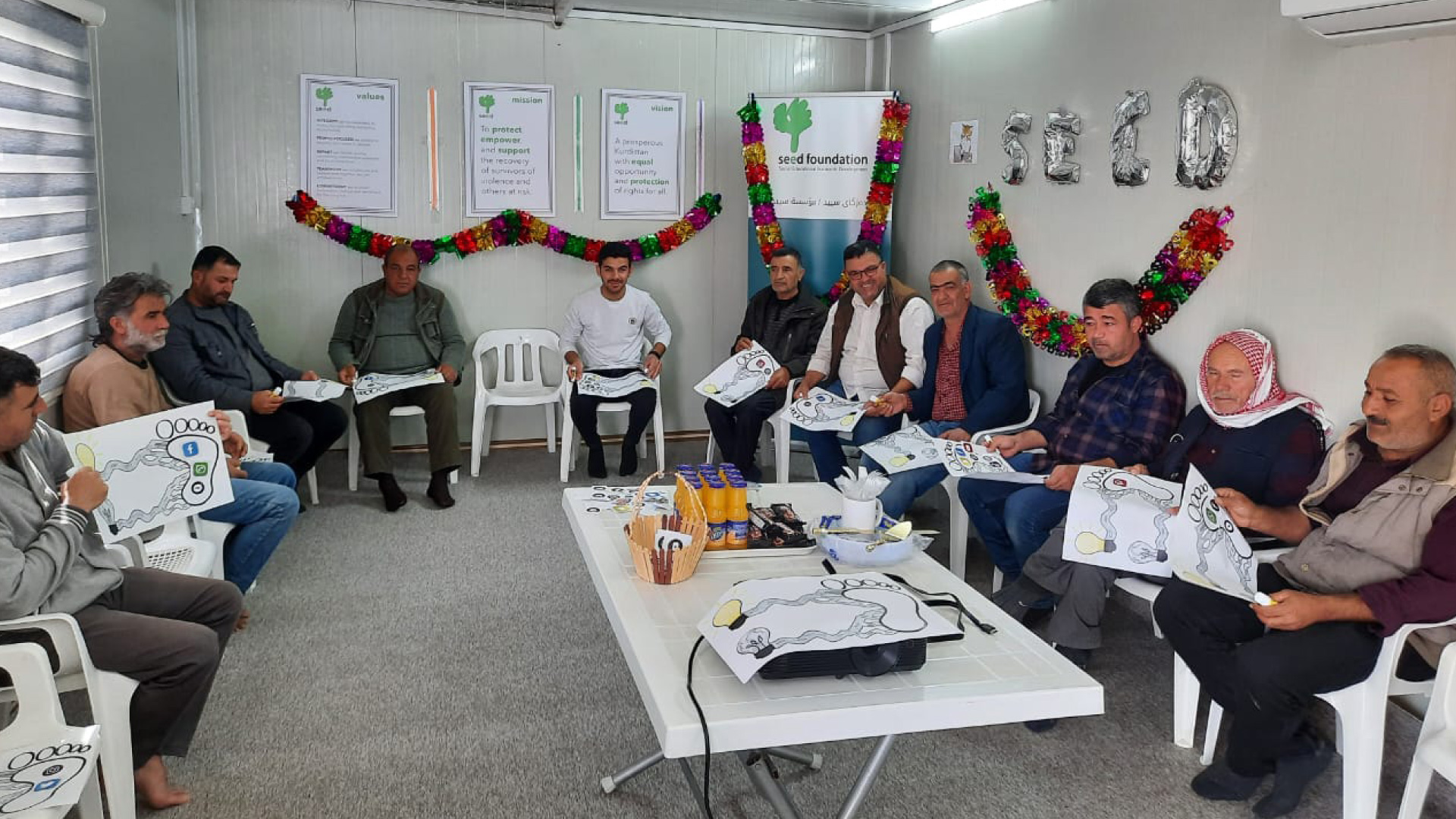
SEED is committed to helping reduce TFGBV across Kurdistan by improving protection and prevention mechanisms, as well raising awareness of its risks, and changing attitudes to ensure survivors are supported and perpetrators are held accountable, including:

Legislative Analysis: Online Violence in Iraq and The Kurdistan Region
Online violence is generally understood to refer to a broad array of harmful acts and behaviors that may be threatened, committed, facilitated, or aggravated through the use of information and communications technology (ICT).
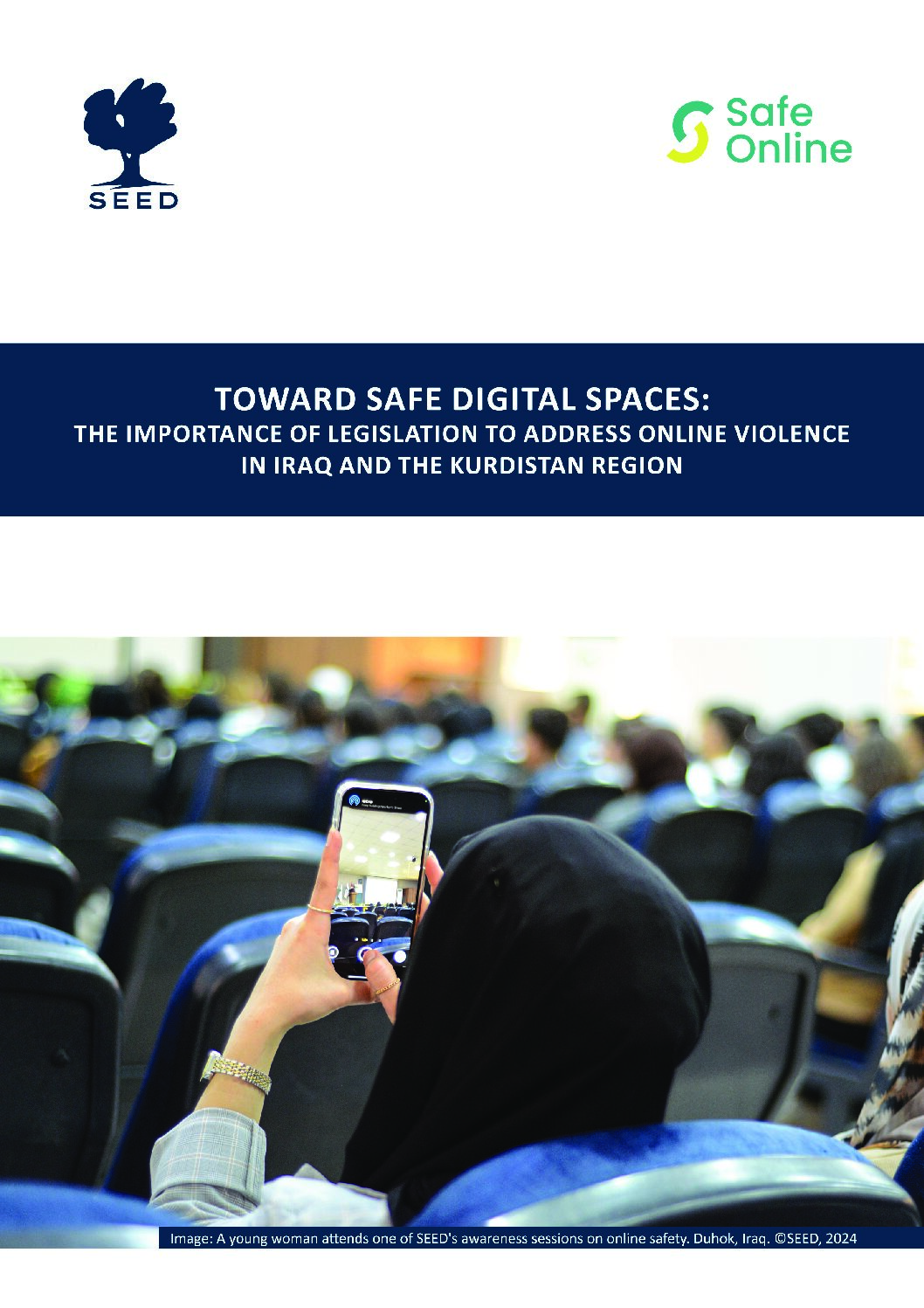
Toward Safe Digital Spaces
The Importance of Legislation to Address Online Violence in Iraq and the Kurdistan Region
Online violence has emerged as a new and insidious threat in Iraq and the Kurdistan Region, with profound implications for the well-being of all, but particularly grave consequences for already vulnerable groups, including women and children.
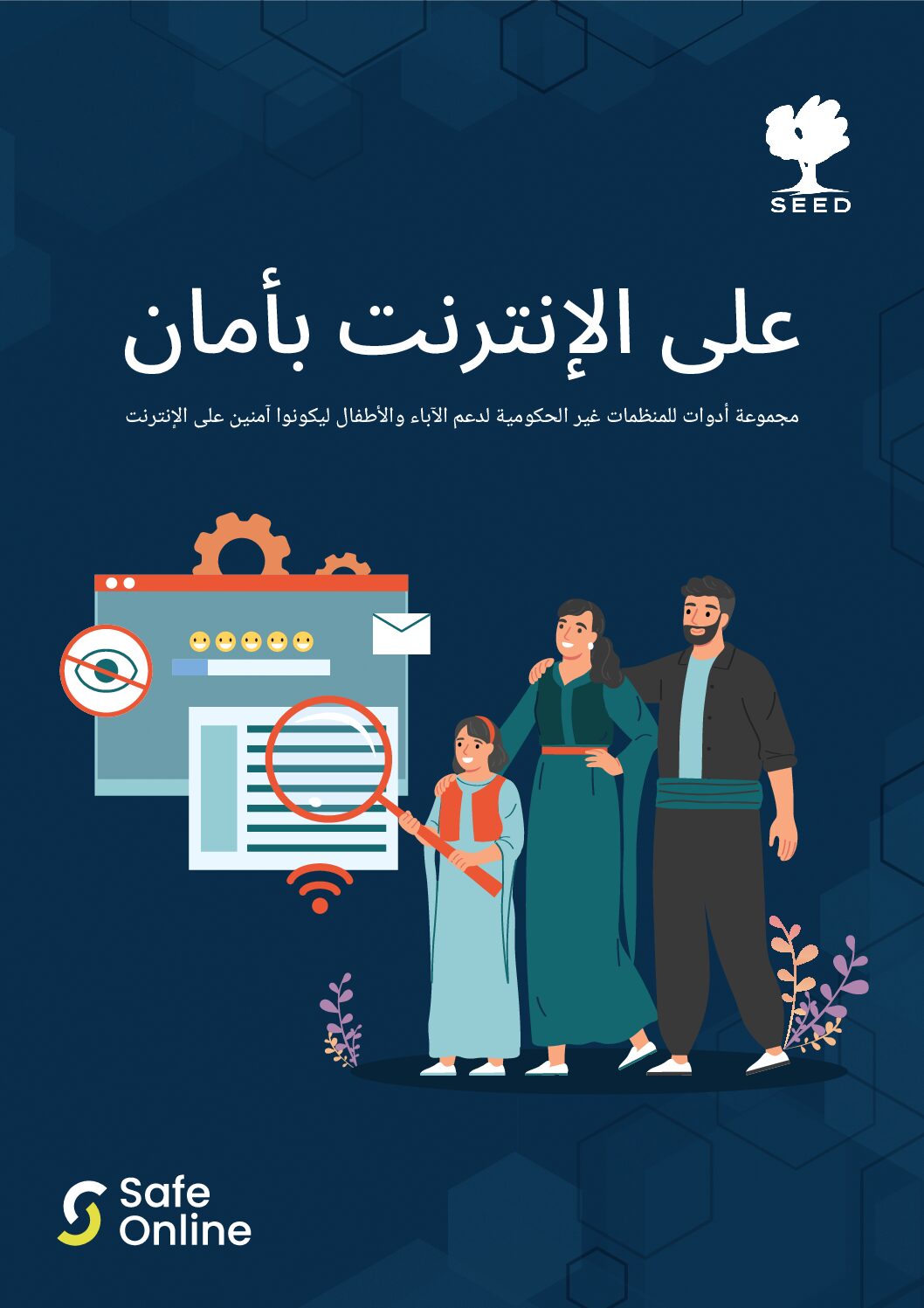
Connected Safely
In today’s digital world, children are more connected than ever before. As access to smartphones, gaming platforms, and social media continues to grow, so do the risks children may face online. Many of these risks are hidden, fast-moving, and difficult for families to recognize.


Responding to Online Violence: A Practitioner’s Guide
In Iraq and the Kurdistan Region, online violence presents heightened and complex risks due to social stigma, limited legal frameworks, and the potential for severe offline consequences. Survivors, particularly women, girls, and children, may not only face digital harm but also serious offline consequences such as social exclusion, family retaliation, or honor-based violence. In this context, how cases are handled directly impacts survivor safety and protection outcomes.


The Iraq TFGBV Task Force
Founded in December 2021, the Iraq TFGBV Task Force aims to bring NGOs, civil society, and government entities together to strengthen the prevention of, and response to, TFGBV across Iraq and the Kurdistan Region to ensure that survivors and those at-risk are protected, supported, and empowered. SEED jointly established the TFGBV Task Force with other members of the GBV Sub-Cluster in Iraq, and currently serves as co-lead. Its three objectives are:
Join the Task Force: contact@seedkurdistan.org